
Small Wonders: How Independent Travel Businesses Are Redefining Adventure
In a world where travel has become a global industry, dominated by multinational tour operators and mass-market itineraries, it’s easy to forget that the beating heart of tourism lies elsewhere. Away from the bright lights of mega-resorts and the conveyor belt of crowded coach tours, a different kind of travel is flourishing—quietly, passionately, and with extraordinary impact.
These are the small and emerging businesses: family-run guesthouses in the Andes, dive operators on remote islands, eco-camps in African savannahs, trekking guides in the Himalayas. Each one is a story of belief, of people who wake up every day convinced that travel can be something deeper and more meaningful than ticking boxes on a brochure.
For these entrepreneurs and workers, their businesses are not just livelihoods—they are lifelines. They see themselves as custodians of place, culture, and environment. They are not driven by scale but by purpose: the joy of sharing their world with others, the pride of crafting journeys that leave both traveller and host richer for the encounter.
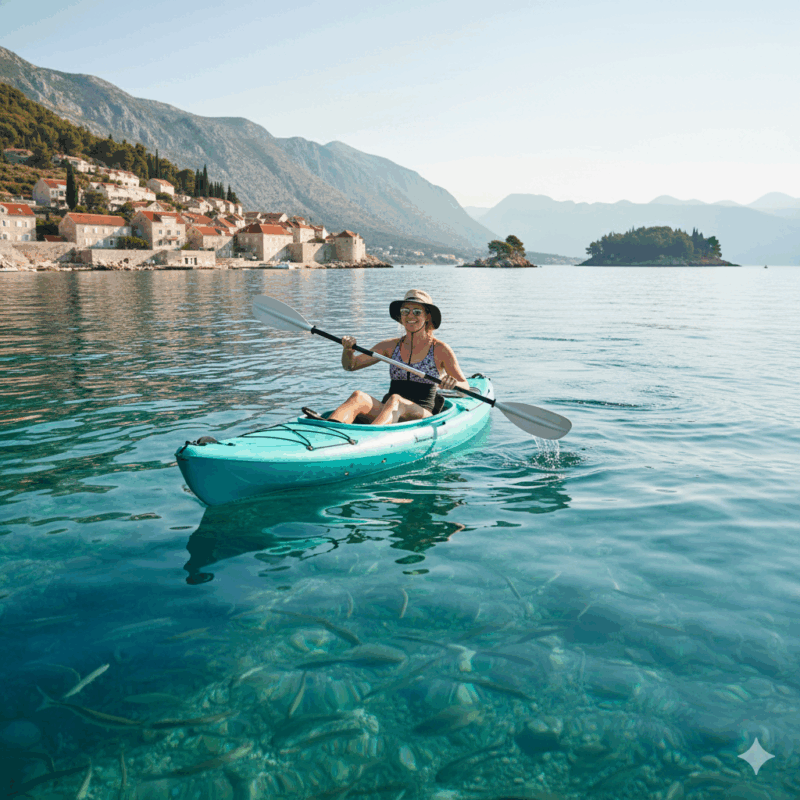
Take, for example, a young couple running a kayak outfit in Croatia. They know every bend of the coastline, every hidden cave, every quiet beach the big boats will never reach. Their tours rarely exceed a handful of guests, and that intimacy means more than just a quieter paddle. It’s the chance to share folklore, family recipes, and the rhythm of daily life along the Adriatic—details no package itinerary could hope to capture.
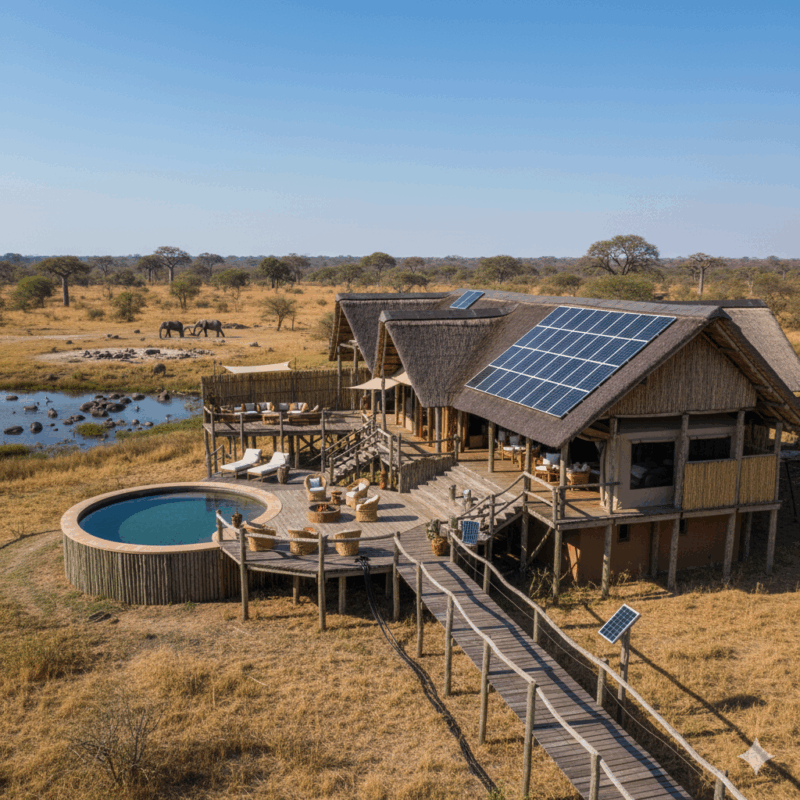
Or consider a safari camp in Botswana powered by solar, built with local materials, and staffed by community members. For the owners, sustainability isn’t a marketing buzzword—it is a non-negotiable principle. Their business model ensures wildlife is protected, jobs are created locally, and guests walk away with an experience that feels authentic, ethical, and unforgettably personal.
These businesses operate with passion as their currency. Where large companies streamline and standardise, small operators innovate and personalise. Where global players herd crowds to already congested landmarks, local guides find ways to disperse travellers, to reveal the hidden, the unspoiled, the delicate.
It is here that the contrast becomes sharpest. The big brands pride themselves on efficiency—flying thousands of travellers to the same beaches, lining them up at the same monuments, selling the same “bucket list” products. The result is often over-tourism: coral reefs choked by too many snorkelers, ancient streets worn down by endless tour groups, fragile ecosystems strained beyond their limits.
Small businesses, on the other hand, often make a virtue of restraint. Fewer guests, smaller groups, slower travel. They know that by keeping experiences intimate, they protect the very environments and cultures that attract visitors in the first place. They understand that a traveller’s most powerful memory is not likely to be standing in line at an overcrowded landmark, but sitting around a kitchen table with a family, hearing stories that don’t appear in guidebooks.
This is not nostalgia. It is a conscious reimagining of what travel can be—and must be—if it is to remain a force for good. Small and emerging businesses are showing that economic viability and environmental responsibility can coexist, that tourism can regenerate rather than deplete. They are reshaping the industry from the ground up, quietly but powerfully, one unforgettable journey at a time.
For discerning travellers, the invitation is clear. Beyond the glossy brochures and the packaged tours lies a richer world of experiences—crafted by people who care deeply, not only about your adventure, but about their communities and the planet we all share. Choosing to travel with them is more than a consumer choice. It is a statement of values, a commitment to a kind of tourism that honours place, people, and planet.
Because the truth is, the future of travel won’t be decided in boardrooms of global corporations. It will be written in the sandy footprints left by a handful of guests on a remote island, in the smiles of villagers who see tourism uplifting their community, in the quiet determination of small business owners who believe, against the odds, that travel can still change the world for the better.
 Follow
