Why Traveljunkies.

Featured

Just for fun at 5.20am on a Saturday morning, I asked ChatGPT:
“What do you know about Traveljunkies?”
The response was spot on, so I thought I’d share it. 

Traveljunkies is a global travel & adventure directory focused on helping small, independent tourism businesses get discovered—especially by experience-driven travellers.

🌍 What it is

A platform connecting travellers with:

• local tour operators
• dive centres
• boutique accommodation
• adventure guides
• pubs, cafes & niche experiences

👉 Focused on independent, often family-run businesses, not big corporations.

💡 The idea behind it

Created after a tourism business in Australia was wiped out by a cyclone, highlighting how hard it is for small operators to compete—especially after crises.

So the platform was built to:

• put small operators on the map
• increase their visibility
• connect them directly with travellers seeking authentic experiences

🧭 Who it’s for

Travellers:
• backpackers, divers, surfers, trekkers
• people seeking local, authentic, “hidden gem” experiences

👉 Think choosing a local dive shop over a big booking platform.

Businesses:
• free directory listings (no subscription or time limit)
• global exposure
• a way to compete without big ad budgets

👉 A visibility & discovery platform for small tourism brands.

🌐 What makes it different

Unlike platforms like TripAdvisor or Booking.com:
❌ Not focused on big brands
❌ Not heavily monetised
✅ Focused on grassroots tourism
✅ Built around authentic, local experiences

🚀Today, it’s :
• a global adventure travel directory
• a traffic/referral source
• aligned with sustainable & local tourism trends

🧠 Quick take (marketing view)

Strengths:
• strong niche (independent + adventure)
• clear “support local” positioning
• free = easy entry

Limitations:
• not a booking platform
• relies on traffic & SEO
• businesses still need their own funnel

🧭 Bottom line

👉 A discovery platform for small travel & hospitality businesses
👉 Built around authentic experiences & direct connections


If you’d like your business listed in Traveljunkies (100% free), head to:
www.traveljunkies.com/free
I’d love to welcome you.

Cliff
Traveljunkies
PS – I might see what Gemini & Claude say on another Saturday morning. 😉
PPS – This is what Gemini & Claude said. Read it in the 2 replies below.

What Is Sustainable Travel And Why It Matters

What Is Sustainable Travel And Why It Matters

Sustainable travel is tourism that takes full account of its current and future economic, social, and environmental impacts, addressing the needs of visitors, the industry, the environment, and host communities.
Also known as responsible or eco-friendly tourism, it’s all about exploring the world while protecting it for future generations.


It means making choices that reduce negative impacts on the environment, respect local cultures, and support the well-being of host communities.
Sustainable travel goes beyond simply offsetting carbon emissions, it involves conserving natural resources, preserving cultural heritage, and ensuring tourism creates real benefits for local people.

Choosing sustainable travel can be as simple as staying in eco-certified accommodations, avoiding single-use plastics, supporting locally owned businesses, or traveling during off-peak times to reduce overtourism.

According to the UN World Tourism Organization, sustainable tourism meets the needs of travelers and host regions while protecting and enhancing opportunities for the future.
By adopting sustainable travel habits, we can help keep destinations beautiful and vibrant, ensuring they remain enjoyable for both locals and visitors for years to come.

Every traveler has the power to make a difference, let’s choose to explore the world responsibly. This means:
✅ Reducing carbon emissions and waste.
✅ Protecting wildlife and natural habitats.
✅ Conserving cultural heritage and respect traditions.
✅ Ensuring that tourism benefits local people economically and socially.
✅ Encouraging travelers to make choices that have a positive impact, like staying in eco-friendly accommodations, buying from local businesses, and traveling during off-peak times to avoid overtourism.

Business Owners

If you own or manage a small travel business that supports sustainable travel, why not join us at Traveljunkies.
We will provide you with a free listing on our website for you to promote your business.
Your advert is 100% free and has no time limit.
Send us your details here, and leave the rest to us.

Traveljunkies
www.traveljunkies.com

#sustainability  #travel  #tourism  #sustainable-travel  #hospitality

Do We Really Want More Big Cruise Ships?

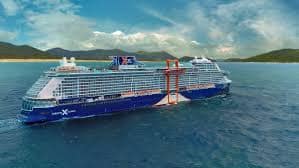
Celebrity Cruises are building a new ship, Celebrity Xcel, which can carry between 3250-3950 passengers.


medium size cruise ship generally has a passenger capacity between about 1,000 and 2,400 passengers. This size strikes a balance between onboard activities and a more intimate atmosphere compared to larger ships.

A large cruise ship typically carries between 3,000 and 4,500 passengers or more. These ships are often around 1,000 feet long or more and offer a wide variety of amenities, dining options, entertainment, and activities.

Celebrity Xcel is an all-new addition and not a retrofit or replacement for another ship.

Cruise ships cause significant environmental damage in several major ways, including air pollution, greenhouse gas emissions, water pollution, and ecosystem harm.

Air Pollution and Carbon Emissions

  • A medium-sized cruise ship can emit as much particulate matter as a million cars in a day. They release large amounts of sulfur oxides (SOx), nitrogen oxides (NOx), black carbon, and greenhouse gases like CO2 and methane, contributing to air pollution, acid rain, and climate change.

  • Cruise ships emit up to four times more CO2 per passenger per mile than airplanes. For instance, a single large cruise ship can emit greenhouse gases equivalent to those of 12,000 cars.

  • Carnival Corporation’s fleet emitted 2.5 million tonnes of CO2 in 2023, which is higher than the annual emissions of some large cities. Sulfur oxide emissions from cruise ships in Europe exceed those of all European cars combined, severely impacting air quality around port cities.

Water Pollution

  • Cruise ships dump billions of gallons of sewage, gray water, oily bilge water, and scrubber wastewater, often untreated, into the ocean. This pollution harms marine life and ecosystems.

  • Wastewater contains toxins harmful to aquatic animals and disrupts natural habitats. The dumping practices contribute to degradation of ocean health.

Resource Consumption

  • Cruise passengers use more water daily than average onshore residents. The ships consume large amounts of fuel and energy due to their size and onboard amenities, increasing their environmental footprint.

Localized Effects

  • Port cities frequently face serious pollution spikes from cruise ships, with associated public health risks such as respiratory illnesses.

  • Venice, for example, saw an 80% reduction in sulfur oxide emissions after banning large cruise ships.

Efforts and Challenges

  • Some newer ships use liquefied natural gas (LNG), which reduces some emissions but can leak methane, a potent greenhouse gas.

  • Technologies like scrubbers reduce sulfur emissions but can lead to ocean pollution if not properly managed.

In summary, big cruise ships cause substantial environmental harm through high emissions of air pollutants and greenhouse gases, extensive water pollution, and heavy resource consumption, with impacts both locally near ports and globally through climate change. The cruise industry’s environmental footprint remains a significant challenge despite some technological improvements

#Cruises  #CruiseShips  #Sustainability  #Eco-Friendly #Vacations

Market Your Business Like Seth Godin

7 Ways to Market Your Business Like Seth Godin (Without Spending Thousands)

Molly Lye

Thanks to Molly Lye

Seth Godin – The greatest marketer of the 21st Century:

I’ve spent 50+ hours studying his books, podcasts, blog, and videos.

Here’s 7 of his best ideas to help you market your business and sell through the roof:

1. Marketing isn’t about selling.

Marketing is about creating change.

Change in your customers, your team, and yourself.

Marketing is about creating meaning and telling stories.

Invent a thing worth making, with a story worth telling, and a contribution worth talking about.

2. The goal of marketing is to be seen, heard, and remembered.

The goal isn’t to sell someone on your product or service.

It’s to be seen, heard, and remembered.

If you can do that, the sales will come as a result.

Spread the word.

3. Be specific.

The more specific your message, the more people it will resonate with.

You can’t please everyone, so don’t try.

Design and build in a way that a few people will particularly benefit from and care about.

4. Be generous.

Give more than you ask for.

Show up — regularly, consistently, and generously, for years and years.

Be generous with your time, your knowledge, and your resources.

It will come back to you tenfold.

5. Embrace failure.

If you’re not failing, you’re not trying hard enough.

Failure is a part of the process.

Embrace it, learn from it, and use it to become better.

6. Be remarkable.

Stand out from the crowd.

If you’re doing what everyone else is doing, you’re not going to get noticed.

Be remarkable in everything you do, and people will take notice.

7. Be passionate.

If you’re not passionate about what you’re selling, no one else will be either.

Passion is contagious.

If you love what you do, it will shine through in your marketing.

These 7 lessons from Seth Godin have helped me become a better marketer.

I hope they help you too.

PS.  Business owners in the adventure, travel and hospitality sectors, get your Free Advert  here
#marketing #sales #salesfunnels #SethGodin #marketingstrategies #Traveljunkies