This Secret Button on Your Airplane Seat Gives You More Space
No, it’s not the recline button.
:max_bytes(150000):strip_icc():format(webp)/TAL-armrest-button-SECRET0624-56ff341c51984e68a29d8a8a7ffa9d92.jpg)
https://www.travelandleisure.com/travel-tips/armrest-button-aisle-seat-airplane
#traveljunkies #travel+leisure
This Secret Button on Your Airplane Seat Gives You More Space
No, it’s not the recline button.
:max_bytes(150000):strip_icc():format(webp)/TAL-armrest-button-SECRET0624-56ff341c51984e68a29d8a8a7ffa9d92.jpg)
https://www.travelandleisure.com/travel-tips/armrest-button-aisle-seat-airplane
#traveljunkies #travel+leisure
:max_bytes(150000):strip_icc():format(webp)/hermitage-museum-st-petersburg-russia-CASTLEVISTS0620-31f682b558724f3ea33fea0b9b4fb07a.jpg)
https://www.travelandleisure.com/attractions/landmarks-monuments/worlds-most-visited-castles
#traveljunkies #travel+leisure #castles
I haven’t done a Google search in months.
Perplexity is more powerful, more pleasant and more effective.
Instead of being corrupted by invasive ads, surveillance and sneaky dark patterns, it presents you with a simple, footnoted explanation of exactly what you’re looking for. Asked and answered.
And I like that there’s a pro version that we can pay for. This makes us the customer, not the product.
Most of all, the limited scope of the promise gives AI a chance to shine. ChatGPT often comes across as both arrogant and bumbling, because it promises that it can do everything, all at once. Perplexity is simply a smart search partner without the corrosion that racing for more ad dollars will cause. At least for now.
#Google #Perplexity #SethGodin
Harnessing the Power of Referrals can transform your small business into a thriving enterprise. Just think about how popular authors promote each other’s books. When a new title hits the shelves, you’ll often see glowing endorsements from fellow authors right on the cover or in the front pages. This isn’t just friendly support; it’s a savvy marketing strategy that benefits everyone involved. Each author is not only endorsing the new book but also subtly promoting their own work by highlighting their status as “best-selling authors.”
This principle extends beyond the literary world; it’s prevalent in various industries, especially in software, business courses, and training services. Successful marketers utilise this strategy effectively. By promoting others, they tap into the law of reciprocity, where kindness begets kindness. Why? Because one referral can be worth a thousand self-promotions.
At Traveljunkies, we understand this dynamic well. When customers search for keywords related to your free advertisement, it acts as a referral from us to you. The more recommendations you receive, the higher the likelihood that potential customers will click through to your website.
By embracing the power of referrals and reciprocity, you can create a thriving ecosystem around your small business that not only attracts new customers but also fosters loyalty among existing ones. Remember, in the world of business, giving often leads to receiving—so start building those connections today!
Cliff Chapman
Traveljunkies
A medium size cruise ship generally has a passenger capacity between about 1,000 and 2,400 passengers. This size strikes a balance between onboard activities and a more intimate atmosphere compared to larger ships.
A large cruise ship typically carries between 3,000 and 4,500 passengers or more. These ships are often around 1,000 feet long or more and offer a wide variety of amenities, dining options, entertainment, and activities.
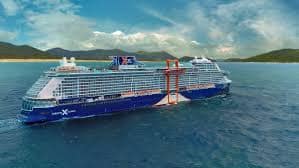
Celebrity Xcel is an all-new addition and not a retrofit or replacement for another ship.
Cruise ships cause significant environmental damage in several major ways, including air pollution, greenhouse gas emissions, water pollution, and ecosystem harm.
A medium-sized cruise ship can emit as much particulate matter as a million cars in a day. They release large amounts of sulfur oxides (SOx), nitrogen oxides (NOx), black carbon, and greenhouse gases like CO2 and methane, contributing to air pollution, acid rain, and climate change.
Cruise ships emit up to four times more CO2 per passenger per mile than airplanes. For instance, a single large cruise ship can emit greenhouse gases equivalent to those of 12,000 cars.
Carnival Corporation’s fleet emitted 2.5 million tonnes of CO2 in 2023, which is higher than the annual emissions of some large cities. Sulfur oxide emissions from cruise ships in Europe exceed those of all European cars combined, severely impacting air quality around port cities.
Cruise ships dump billions of gallons of sewage, gray water, oily bilge water, and scrubber wastewater, often untreated, into the ocean. This pollution harms marine life and ecosystems.
Wastewater contains toxins harmful to aquatic animals and disrupts natural habitats. The dumping practices contribute to degradation of ocean health.
Cruise passengers use more water daily than average onshore residents. The ships consume large amounts of fuel and energy due to their size and onboard amenities, increasing their environmental footprint.
Port cities frequently face serious pollution spikes from cruise ships, with associated public health risks such as respiratory illnesses.
Venice, for example, saw an 80% reduction in sulfur oxide emissions after banning large cruise ships.
Some newer ships use liquefied natural gas (LNG), which reduces some emissions but can leak methane, a potent greenhouse gas.
Technologies like scrubbers reduce sulfur emissions but can lead to ocean pollution if not properly managed.
In summary, big cruise ships cause substantial environmental harm through high emissions of air pollutants and greenhouse gases, extensive water pollution, and heavy resource consumption, with impacts both locally near ports and globally through climate change. The cruise industry’s environmental footprint remains a significant challenge despite some technological improvements
#Cruises #CruiseShips #Sustainability #Eco-Friendly #Vacations
I’m pretty sure you have a good grasp of your business numbers, especially the important ones.
But do you know where your customers originally came from and how they found you?
They may say they found you from a Google search, or a blog post, or an advertisement but few will remember if they originally found your website from your free advert in Traveljunkies.
And with so much to choose from, they could easily forget which advert they actually clicked on.
We track all the visitors to our website and we count every one who clicks through to our customer’s websites, so we know how many we have referred to your website.
In the whole scheme of things it won’t be anywhere near the millions of casual clicks that fly across the Internet every minute but the big difference is that our visitors know and trust our recommendations and are happy to check you out.
A referral from Traveljunkies carries a lot of weight.
And even better than other search engines, a search for any word in your free advert (freead) will always find you. Remember that the content of your freead including your important tagline, determines who gets found.
But this is only half the story
From your side, where you send your visitors is important for your marketing and building a relationship with your prospective customer. A Landing Page designed for your visitors can be critical if your Home Page is designed for selling.
Studies have shown that only 3% of prospects are ready to buy now, so there’s around 97% who have shown an interest in what you offer and are potential customers for the future.
You will have heard advice on building your list so are you collecting their information for your future marketing?
Looking ahead, with the growing use and capabilities of Artificial Intelligence (AI), it’s hard to anticipate how things will develop so we should all expect a lot more changes.
Together with the effects of climate change and the increasing focus on sustainability, this makes the future of travel interesting and exciting for small businesses.
If you have any more ideas you would like to share with us, please don’t hesitate.
We are always on the lookout for ways we can help small adventure, travel and hospitality businesses.
With our very best wishes.
Cliff & the Traveljunkies Team
PS. In the year end report to our subscribers we will report how many click throughs from our website we have recorded, none of which has cost them anything.
How to Market Your Business When Competing with The Big Boys
As a small business owner, standing out amongst larger competitors can feel overwhelming.
Big businesses have the resources, budgets, and established brand names that make them formidable opponents.
But small businesses have unique advantages that, when leveraged properly, can make a real impact.
One of the biggest challenges you’ll face is marketing your business effectively where large companies dominate. When competing for attention on social media to dealing with pricing pressures, how do you market against the giants?
Big businesses appeal to the masses and this is where small businesses have an advantage.
By focusing on a specific niche, you can offer products or services that cater to the specific needs of your customers and positioning yourself as an expert in your field, you create a strong sense of value that larger companies simply can’t.
By understanding and promoting your niche, you can build a loyal customer base that appreciate your personal approach.
Big corporations can sometimes feel cold and impersonal.
As a small business, you can create your story that resonates with your audience at an emotional level, such as the way you started your business, or your commitment to quality.
Climate change and sustainability are becoming big factors in how people are thinking about their holidays and opens up new opportunities for you to promote your business.
This is a huge advantage in today’s market, where consumers are looking for brands they can trust and believe in.
Social media platforms like Instagram, Facebook, and TikTok are powerful tools for marketing your business, especially when you’re competing against larger companies. Although big businesses have the budget to run paid ads, you can still get noticed by sharing stories, highlighting customer recommendations and offering promotions.
Social media allows small businesses to build direct, personal relationships with their customers, something that large companies often struggle with.
LinkedIn is another platform where small businesses can excel. While it’s more commonly used for networking and B2B (business-to-business) relationships, business owners and their staff are also a source of customers that big companies may overlook.
Sharing articles, success stories, and insights into your industry will help you to establish yourself as an expert in your field and you can also connect with potential clients or partners by joining relevant groups and actively participating in conversations.
Big companies may have a team dedicated to marketing, but as a small business owner, you are in control of your marketing strategy.
Consistency is key when building your brand presence. Whether it’s posting regularly on social media, updating your website, or sending newsletters you , keep your brand in your customers’ minds. Engaging with your audience by responding to comments, asking questions, and creating interactive content will keep them coming back for more.
Customer service is a powerful marketing tool for small businesses. Big businesses might have efficient systems in place, but they can’t replicate the personal touch you provide. Going above and beyond your customers expectations, whether through personal emails, fast responses, or unique loyalty programs can lead to repeat business and word-of-mouth referrals. Happy customers are your best marketing asset, so make sure they feel valued.
Marketing a small business while competing with larger companies can be challenging, but it’s far from impossible. By focusing on your strengths such as your niche, your customer service and your personal stories, you can stand out in a crowded marketplace.
Don’t underestimate the power of social media and content marketing either. With the right strategy, small businesses can carve out their own space and thrive, no matter how big the competition may seem.
Cliff Chapman
Traveljunkies – The Adventure Travel Directory For Small Businesses

Hey, travel enthusiasts! Have you ever wondered why so many globetrotters are trading big travel companies for small, local businesses? This trend is more than just a fad—it’s a movement reshaping how we experience the world. Let’s dive into why small travel businesses are the unsung heroes of unforgettable adventures and why you should make them a part of your next journey.
When you book with a small travel business—whether it’s a local tour guide or a family-run bed-and-breakfast—you’re signing up for a unique, tailor-made adventure. These passionate individuals know their hometowns inside and out, offering hidden gems and authentic stories you won’t find in any guidebook.
Imagine the difference between a pre-packaged, scripted tour and a heartfelt local recommendation. It’s like having a friend take you around their favorite spots, sharing experiences that make your trip genuinely memorable.
Booking with small businesses doesn’t just benefit you—it uplifts entire communities. Every dollar you spend goes directly into the local economy, helping families thrive, supporting artisans, and preserving cultural heritage. You’re not just a tourist; you’re a vital part of a beautiful cycle of giving and receiving.
From savoring traditional foods to participating in local festivals, these businesses offer immersive experiences that enrich both travelers and hosts.
Small business owners truly care about your experience. Need to adjust your plans last minute? No problem. Have a special request? They’ve got you covered. Their flexibility and attention to detail ensure your trip is as seamless as it is unforgettable.
When small travel businesses collaborate with platforms like TravelJunkies.com, magic happens. This partnership bridges the gap between local expertise and global wanderlust, offering you the best of both worlds.
TravelJunkies connects adventurous travelers with these hidden gems, making it easier than ever to discover secret cafes, hidden waterfalls, and other treasures only locals know about. With the convenience of booking through a trusted platform, you can plan your trip stress-free and with confidence.
Next time you plan an adventure, consider the impact you can make. Supporting small businesses means getting authentic experiences, creating lifelong memories, and making a difference in the communities you visit.
So, step off the beaten path, explore the road less traveled, and let local businesses guide you to your next great adventure.
Cliff Chapman
Traveljunkies
#smallbusinesses #worldtravellers
Back in August 2024 I posted Referrals, Referrals, Referrals here in my blog.
I posted this to encourage my clients who have a free advert in www.traveljunkies.com to look at ways they can make use of the referral system I will be introducing in Traveljunkies.
Because of how valuable referrals are, I make no apology of posting another article about The Power of Referrals, which as the article summarises is a Win Win for both sides.
As a small business owner, you’re constantly juggling a million tasks—marketing, customer service, inventory, and more. But one of the most powerful tools you might be overlooking is also one of the simplest: referrals. Word-of-mouth marketing has been around for centuries, and it’s still one of the most effective ways to grow your business. Here’s why referrals should be a top priority and how you can harness their power.
Why Referrals Matter
Referrals are essentially a form of social proof. When a satisfied customer tells a friend, family member, or colleague about your business, it carries more weight than any ad or promotion. People trust recommendations from others more than they trust traditional advertising, especially when it comes from someone they know.
For small businesses, this is especially important because referrals can lead to high-quality leads—people who are already primed to trust you because of the recommendation. Plus, referred customers tend to be more loyal and less price-sensitive, which can lead to longer-lasting relationships and higher lifetime value.
Benefits of Referrals for Small Business Owners
How to Encourage Referrals
If you want to tap into the power of referrals, you need to actively encourage them. Here are some strategies that can help:
Final Thoughts
For busy small business owners, referrals are an essential, low-cost marketing strategy that can generate high-quality leads and build long-lasting relationships. By actively encouraging referrals and making the process easy and rewarding, you can turn your existing customer base into a powerful, self-sustaining marketing engine. It’s a win-win: your customers feel good for recommending you, and you get new business that’s already pre-sold!
What Can You Do Now?
A great way to get referrals is to refer others. When your friends, colleagues and even your competitors see you making referrals they will remember you and feel some obligation to return the compliment. The law of reciprocity is a powerful tool and not only will they be pleased by this recognition, you will be seen to be a leader doing something different. So don’t wait, look for opportunities to make referrals; people love to be recognised.
Cliff Chapman
Traveljunkies
#StandOut #BeDifferent #Referrals #Traveljunkies