
Celebrity Cruises are building a new ship, Celebrity Xcel, which can carry between 3250-3950 passengers.
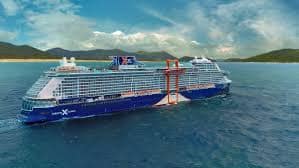
A medium size cruise ship generally has a passenger capacity between about 1,000 and 2,400 passengers. This size strikes a balance between onboard activities and a more intimate atmosphere compared to larger ships.
A large cruise ship typically carries between 3,000 and 4,500 passengers or more. These ships are often around 1,000 feet long or more and offer a wide variety of amenities, dining options, entertainment, and activities.
Celebrity Xcel is an all-new addition and not a retrofit or replacement for another ship.
So a reasonable question to ask is “how much damage do cruise ships do the environment?”
This is what Perplexity.AI had to say:
Cruise ships cause significant environmental damage in several major ways, including air pollution, greenhouse gas emissions, water pollution, and ecosystem harm.
Air Pollution and Carbon Emissions
-
A medium-sized cruise ship can emit as much particulate matter as a million cars in a day. They release large amounts of sulfur oxides (SOx), nitrogen oxides (NOx), black carbon, and greenhouse gases like CO2 and methane, contributing to air pollution, acid rain, and climate change.
-
Cruise ships emit up to four times more CO2 per passenger per mile than airplanes. For instance, a single large cruise ship can emit greenhouse gases equivalent to those of 12,000 cars.
-
Carnival Corporation’s fleet emitted 2.5 million tonnes of CO2 in 2023, which is higher than the annual emissions of some large cities. Sulfur oxide emissions from cruise ships in Europe exceed those of all European cars combined, severely impacting air quality around port cities.
Water Pollution
-
Cruise ships dump billions of gallons of sewage, gray water, oily bilge water, and scrubber wastewater, often untreated, into the ocean. This pollution harms marine life and ecosystems.
-
Wastewater contains toxins harmful to aquatic animals and disrupts natural habitats. The dumping practices contribute to degradation of ocean health.
Resource Consumption
-
Cruise passengers use more water daily than average onshore residents. The ships consume large amounts of fuel and energy due to their size and onboard amenities, increasing their environmental footprint.
Localized Effects
-
Port cities frequently face serious pollution spikes from cruise ships, with associated public health risks such as respiratory illnesses.
-
Venice, for example, saw an 80% reduction in sulfur oxide emissions after banning large cruise ships.
Efforts and Challenges
-
Some newer ships use liquefied natural gas (LNG), which reduces some emissions but can leak methane, a potent greenhouse gas.
-
Technologies like scrubbers reduce sulfur emissions but can lead to ocean pollution if not properly managed.
In summary, big cruise ships cause substantial environmental harm through high emissions of air pollutants and greenhouse gases, extensive water pollution, and heavy resource consumption, with impacts both locally near ports and globally through climate change. The cruise industry’s environmental footprint remains a significant challenge despite some technological improvements
#Cruises #CruiseShips #Sustainability #Eco-Friendly #Vacations
 Follow
